
↓High purity PSA nitrate generator
New MSC “BELFINE® MG4”
Composition
1. About the Raw Resin “BELPEARL®”
1.1 Raw Material: Functional Micro-Particle Phenolic Resin “BELPEARL®”
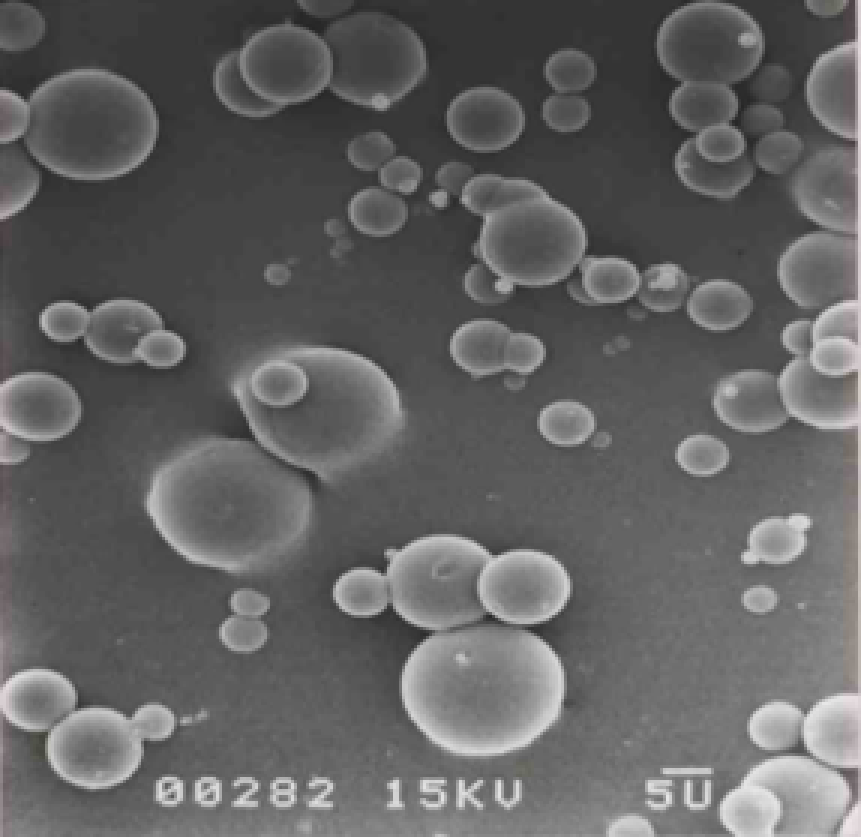 SEM image of BELPEARL S890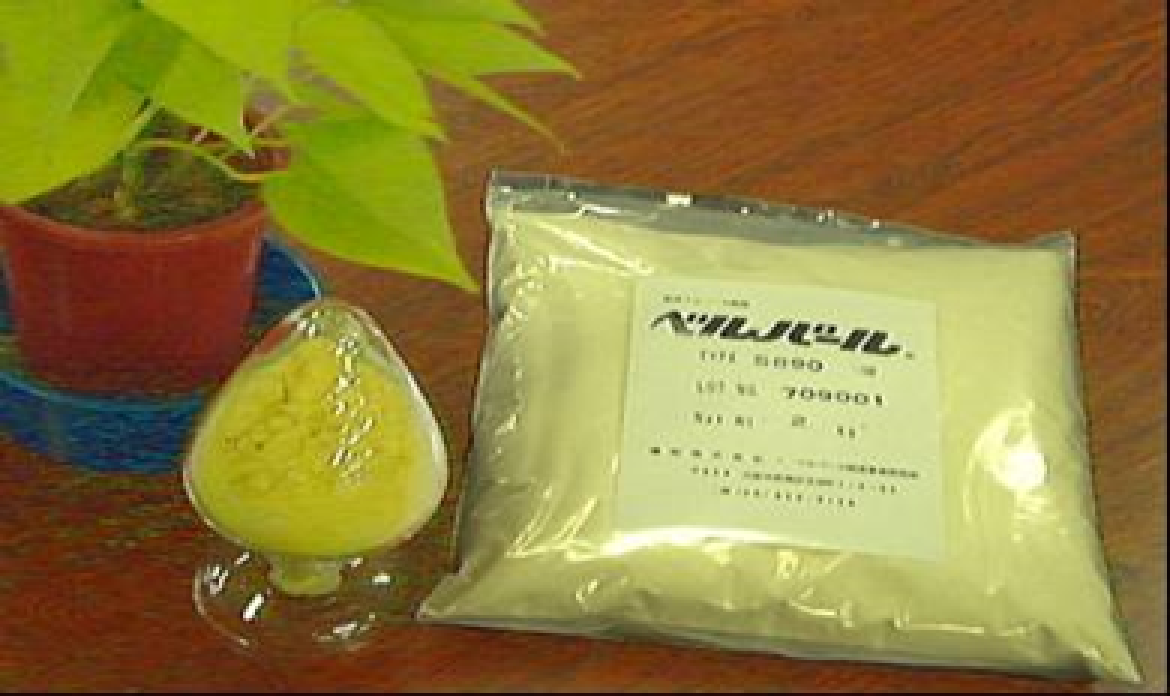
- Compared to conventional phenolic resins, it differs significantly in synthesis method, chemical structure, and physical properties
(Resole Resin, Novolac Resin) - Features: High strength, high heat resistance, high carbon yield, uniform and homogeneous structure, and high safety
Manufacturing Method of Micro-Particle Phenolic Resin “BELPEARL®”
Raw materials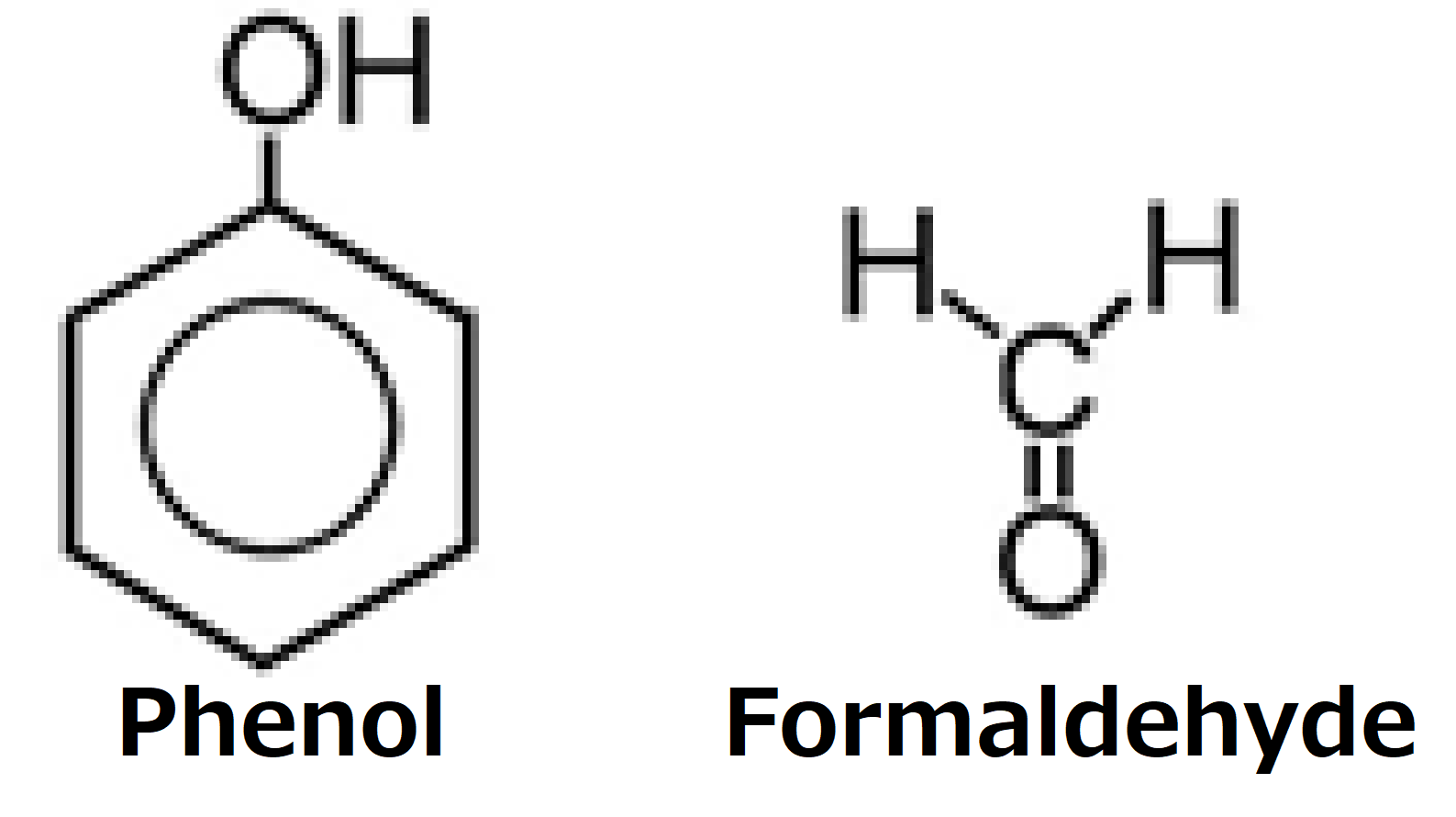 Reaction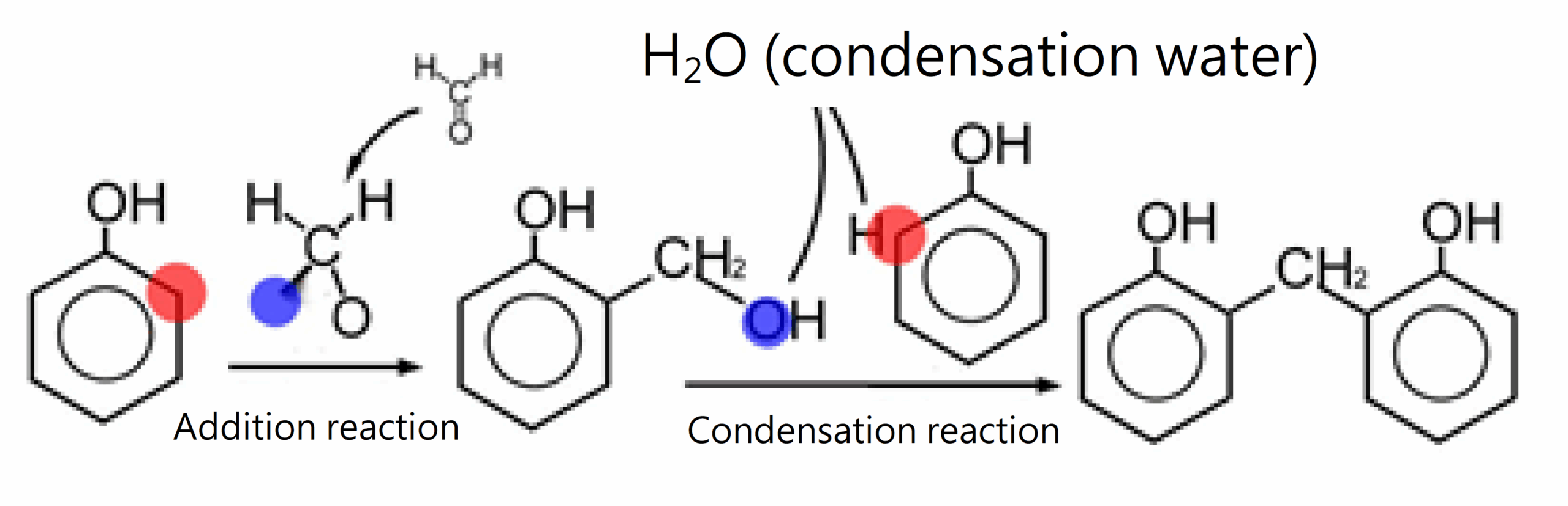
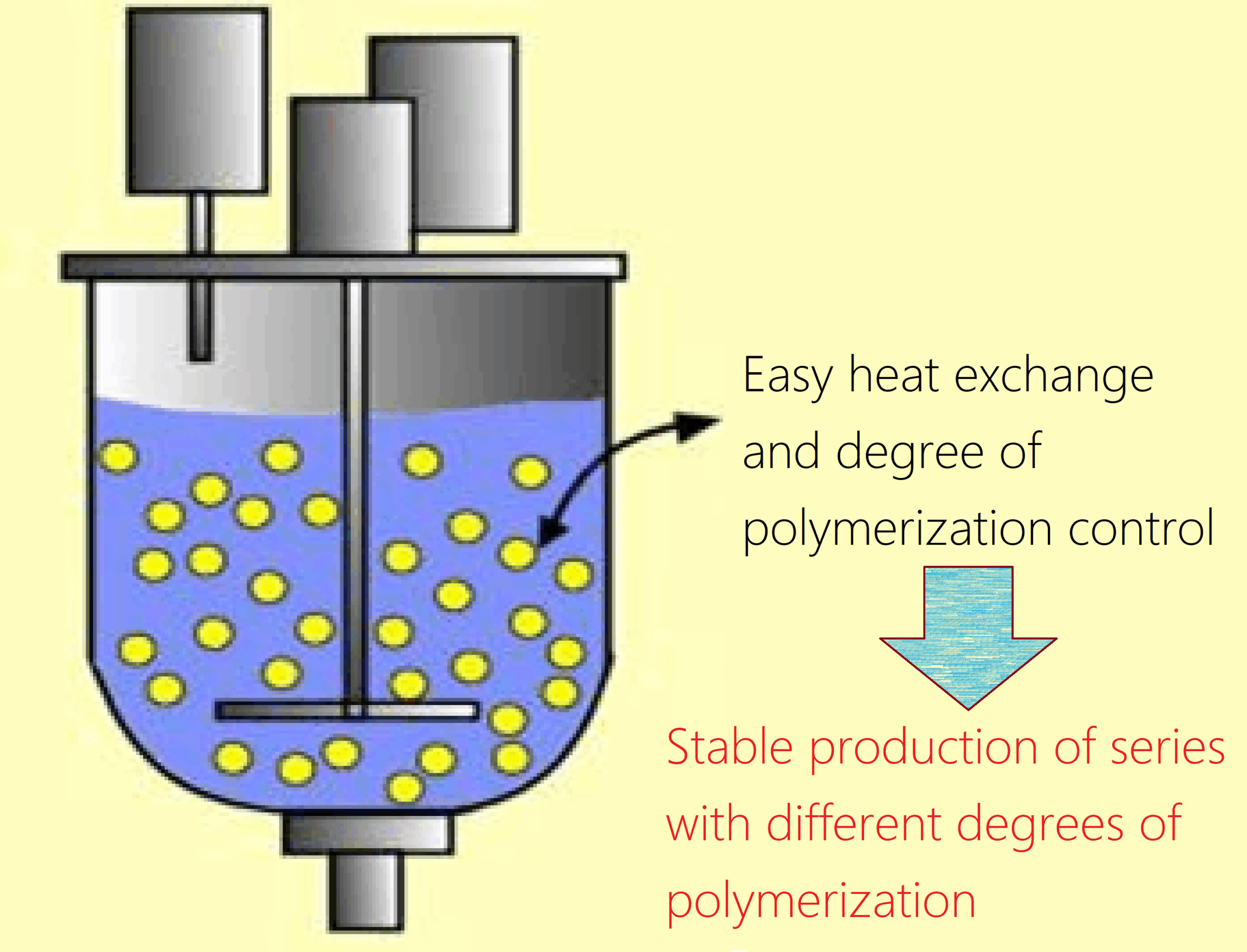

- Spherical micro-particles with an average diameter of 20μm
- High safety, high molecular weight resin
- Entirely unique reaction conditions
- Precise control of molecular weight and degree of curing
Applications
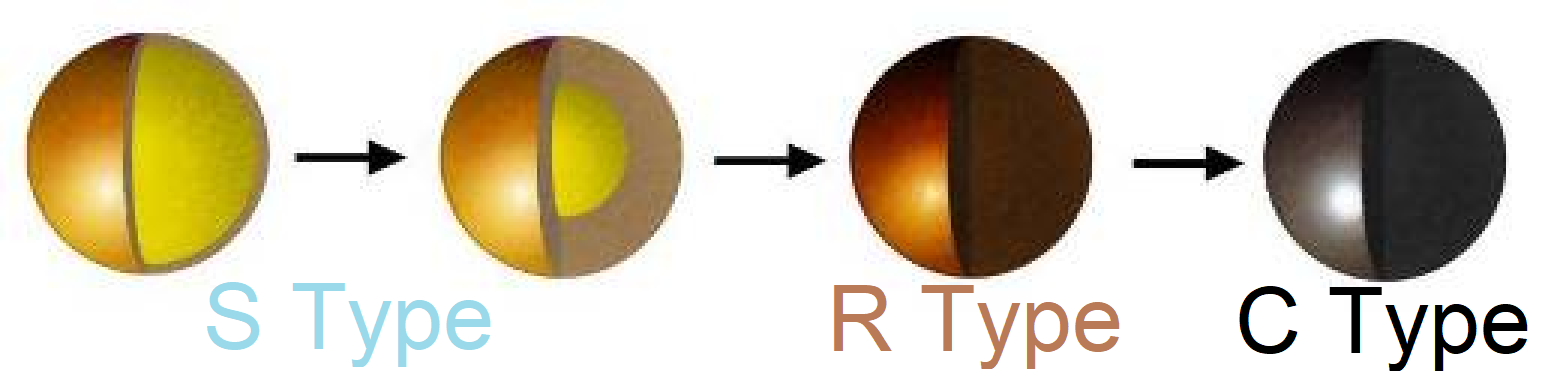
S Type Binder for Refractories
- Monolithic refractories
- Shaped refractories
S Type Binder for Friction Materials
- Clutches for AT vehicles
- Brakes for trains
- Brakes for industrial machinery
S Type Binder for Composites
- Resin molds for rubber molding
- Automotive washers
- Resin gears for automobiles
S Type Adhesives
- Formaldehyde-free compliant
- Adhesives for plywood
S Type Carbon Material Binders
- Binders for capacitors
- C/C composites
S Type Binder for Abrasives
- Diamond grinding wheels
R Type Raw Material for Carbon Materials
- High-performance MSC precursor
- High-performance activated carbon precursor
R Type Heat-Resistant Filler
- Heat-resistant nylon compounds
C Type Sliding Filler
- Oil-free bearings
- Thrust washers
C Type Conductive Filler
- Antistatic resin for IT factories
- Sheet-type heating elements (floor heating)
| Type | Property |
| S Type | Thermosetting |
| R Type | Non-melting |
| C Type | Pyrolytic carbonization |
2. About “BELFINE® MG4”
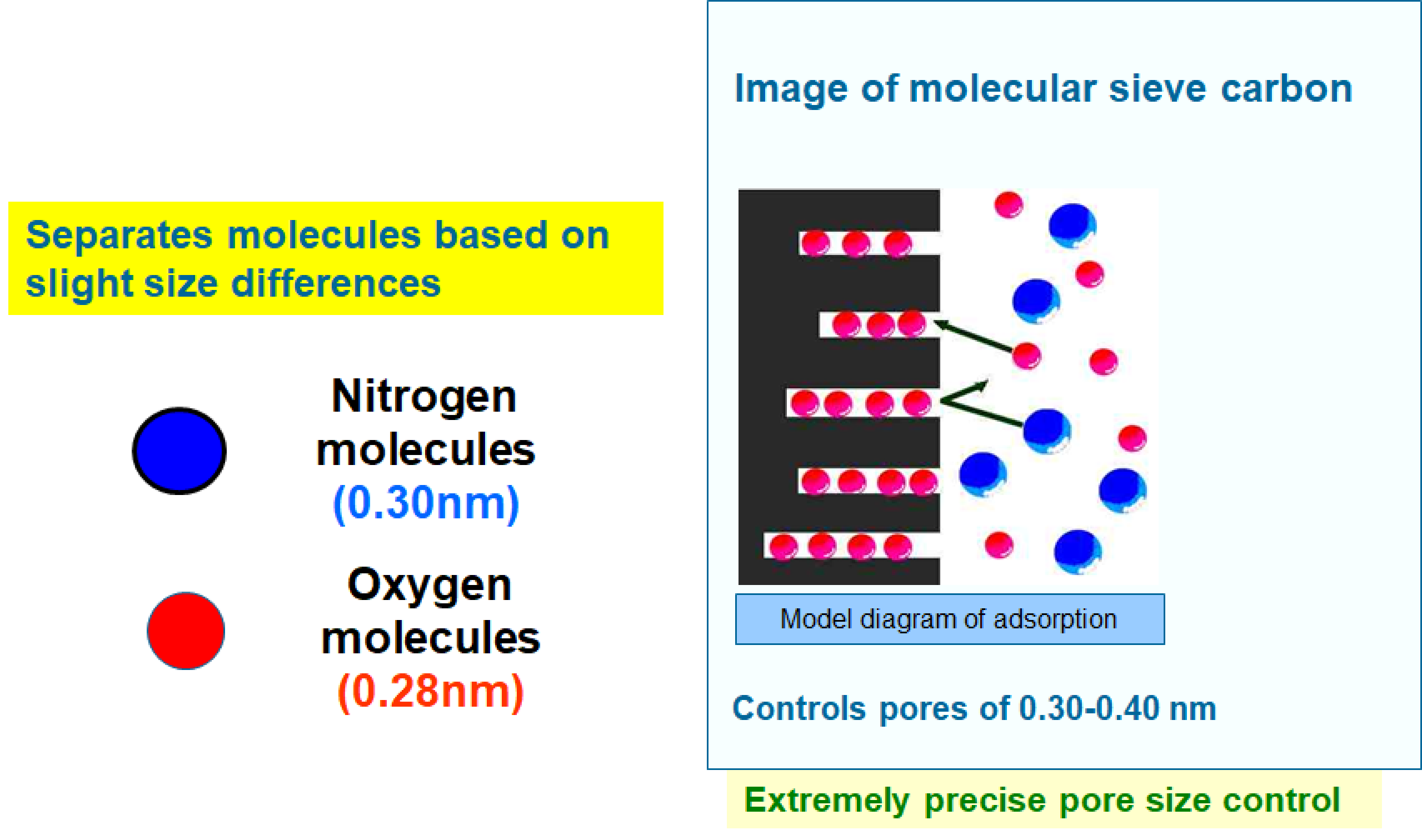
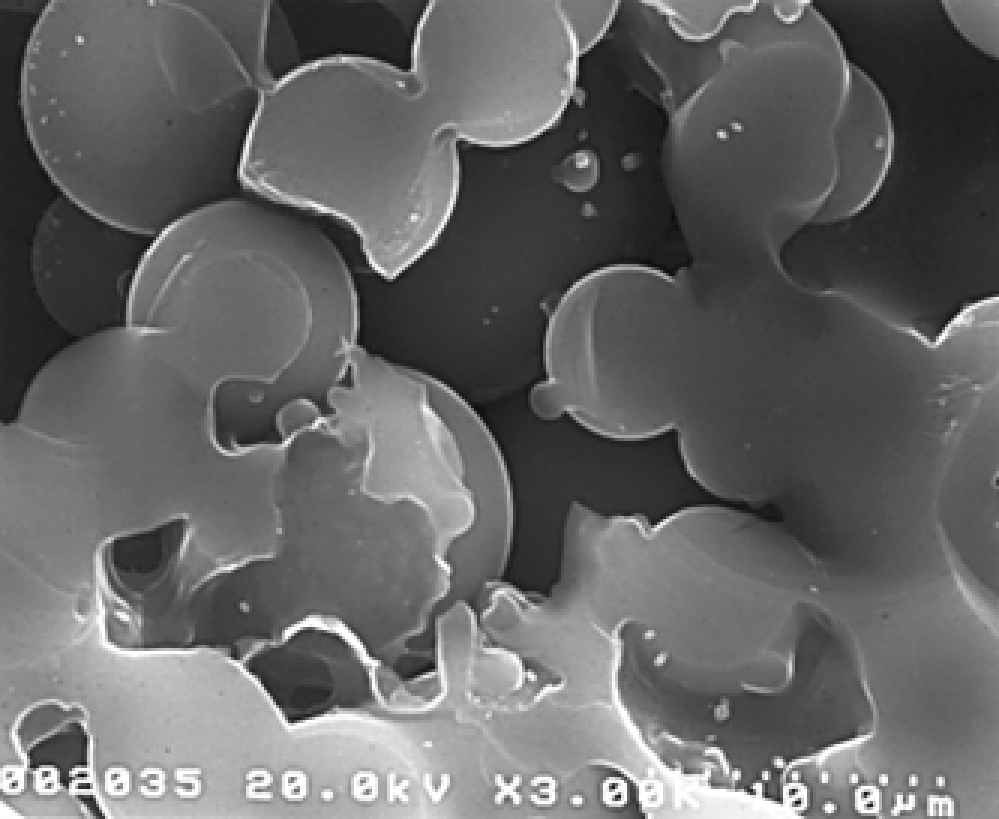
What is MSC? (Molecular Sieve Carbon)
SEM image of MSC 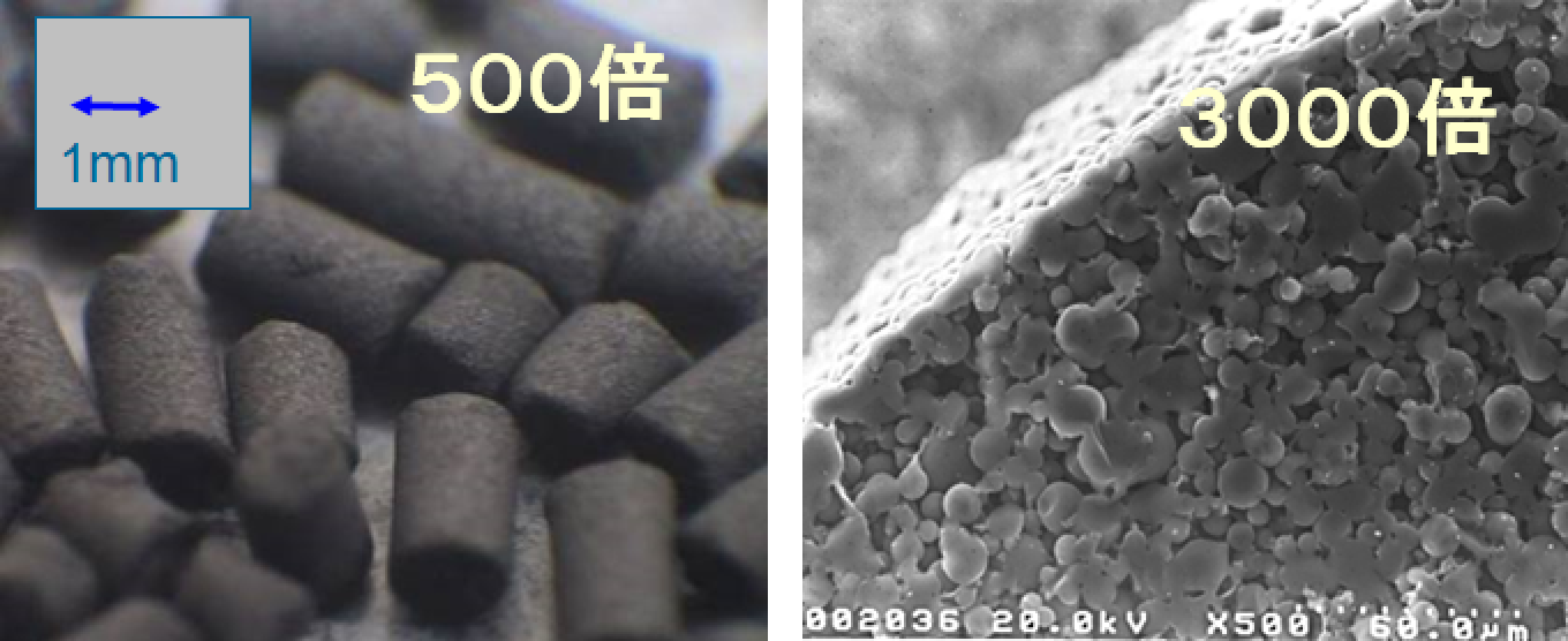
PSA Flow Sheet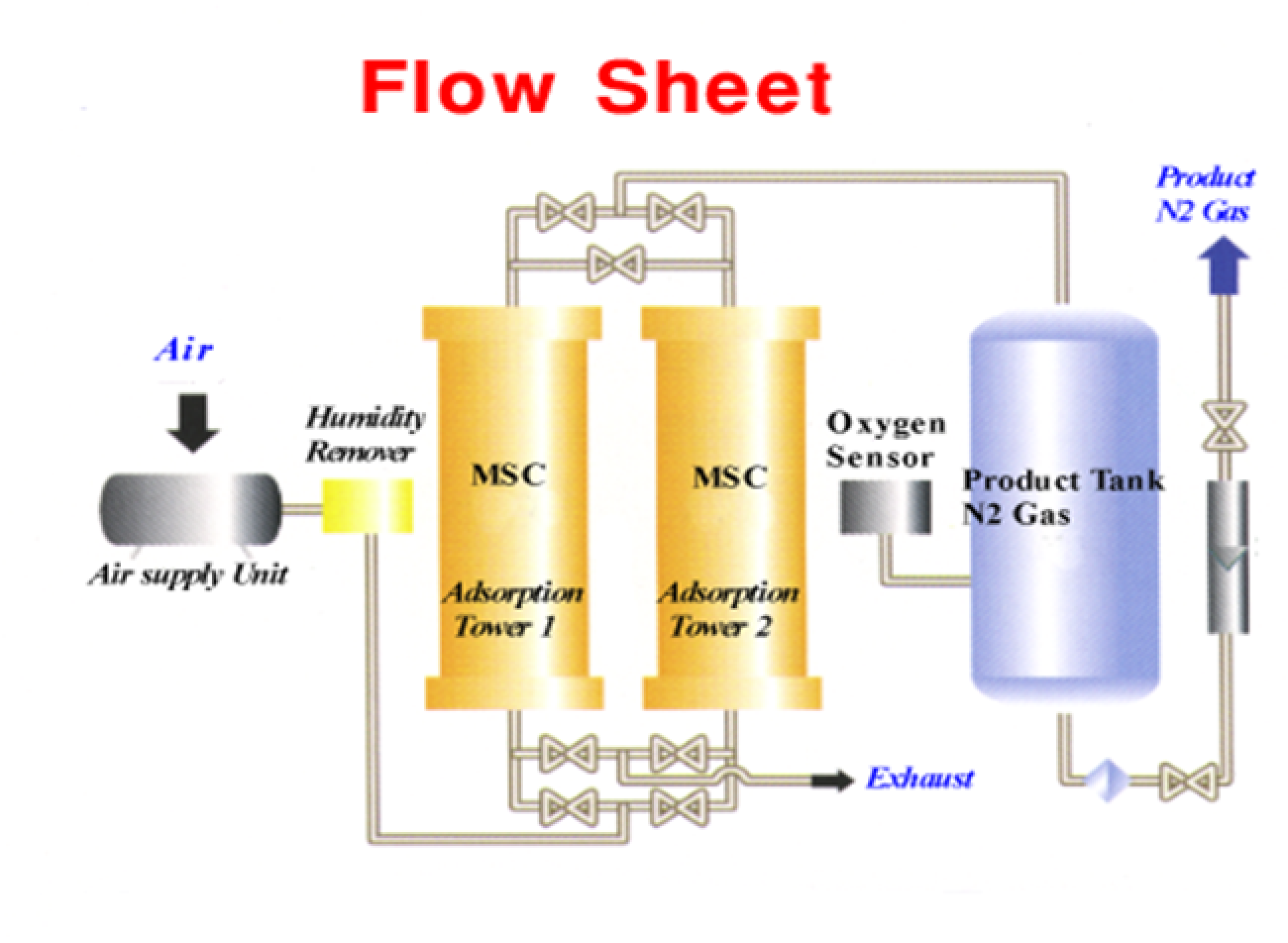
Pore control of MSC (Molecular Sieve Carbon) 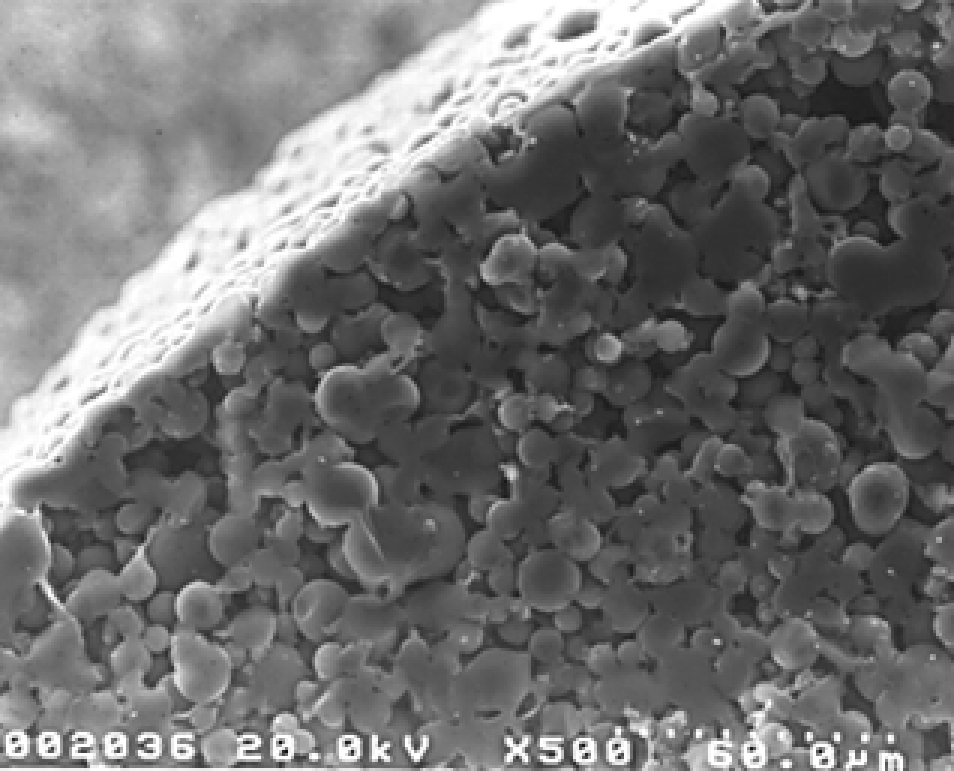 →
→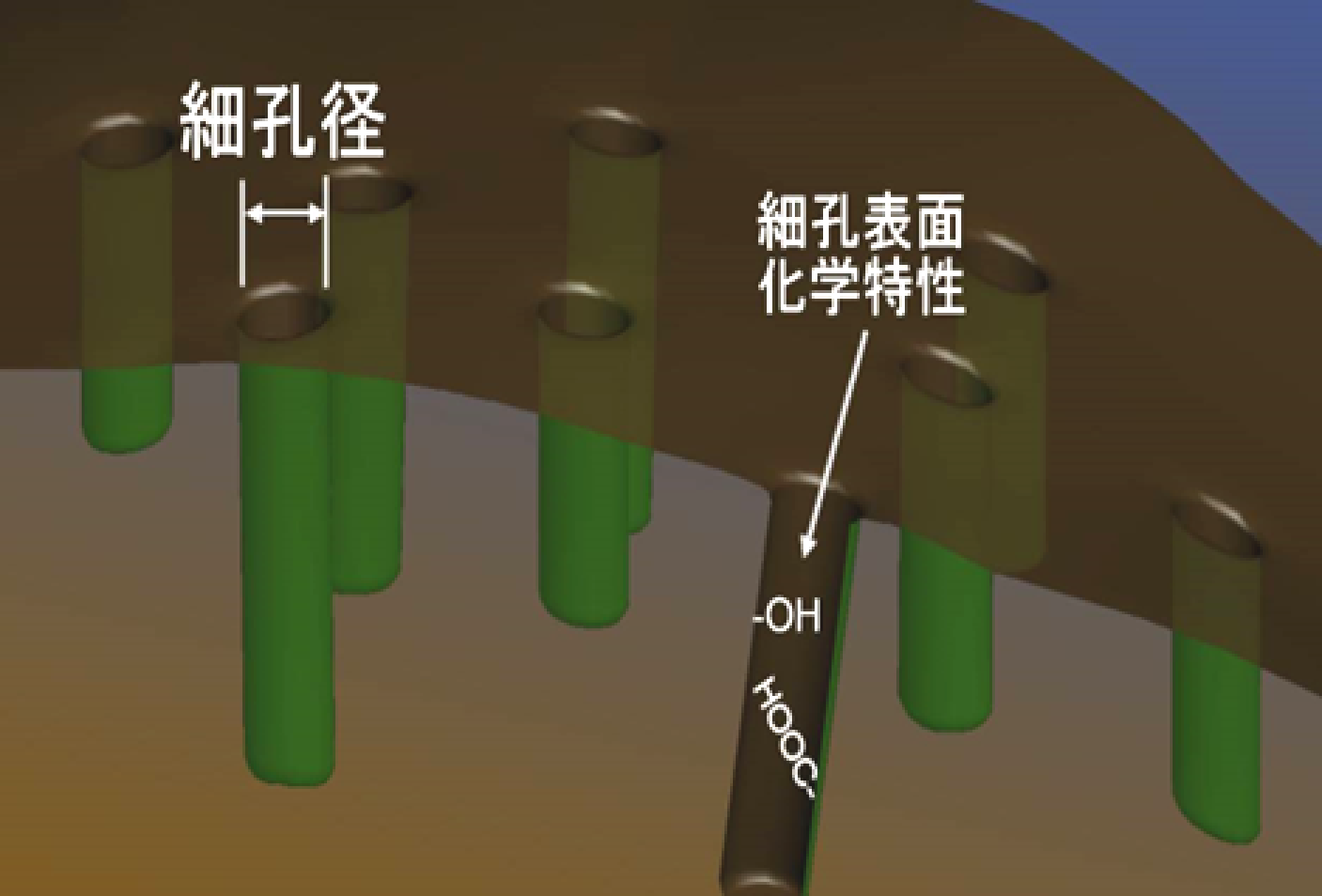
Increase the difference in adsorption rate
Concept of Enhancing MSC Performance (MG4 Development Philosophy)
Strategy 1: More precise pore control
- Increase effective pores and reduce unnecessary pores
Strategy 2: Increase the volume of effectively usable pores
- Increased interconnectivity by uniform particle size
- Reduced intraparticle diffusion by using smaller particles
- Increased external surface area by pellet miniaturization
Strategy 3: Increase the amount of MSC filled in the tank
- Higher pellet density
Strategy 4: Confidential
From MG7L to MG4
- Significant and high-level improvements
- Not only by reviewing the firing conditions,
- But also improvements traced back to the raw resin
→ Development driven by phenolic resin manufacturer
Strategy 1: More Precise Pore Control
Conventional BELPEARL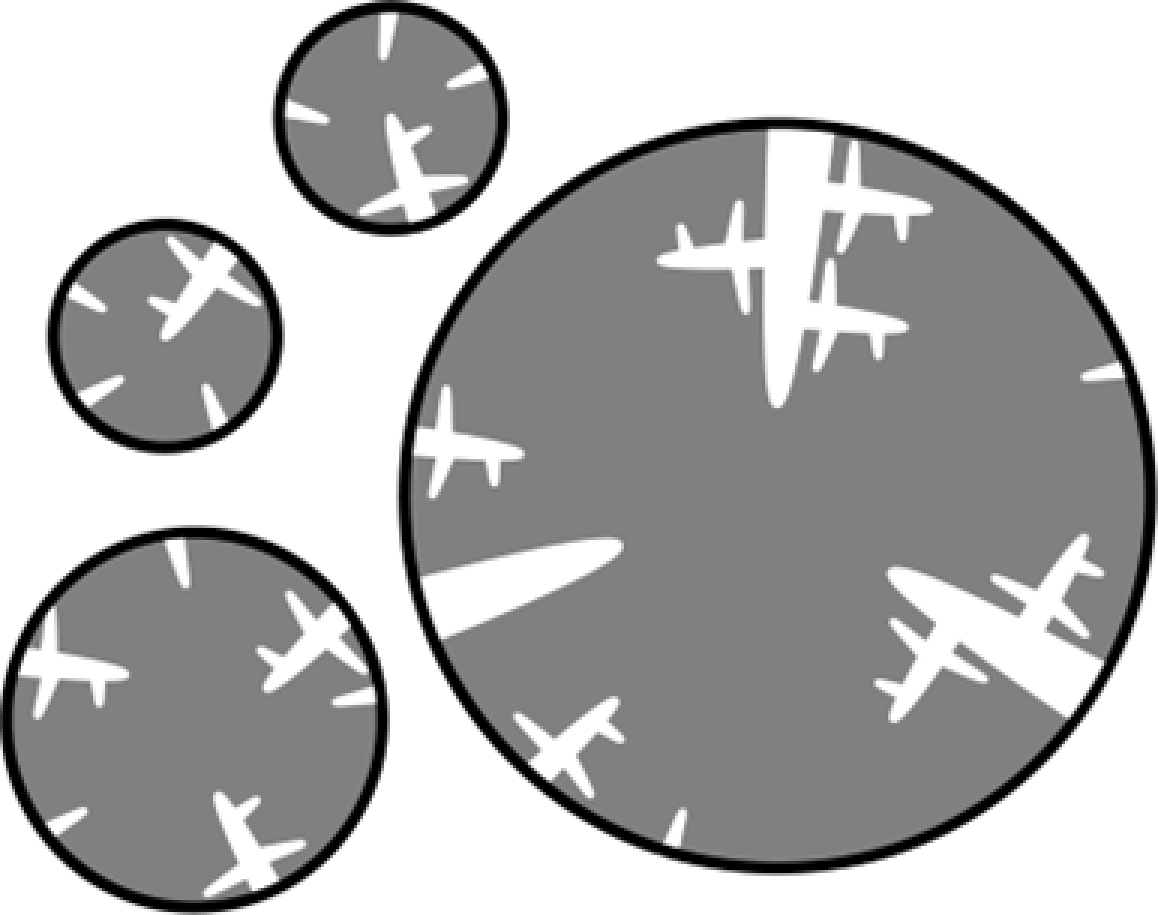 MG4
MG4
- Conventional BELPEARL: Homogeneous as a material, but size variation exists
- MG4: Size is also uniform, enabling uniform pore formation during firing
Strategy 2-1: Increased Volume of Effective Pores
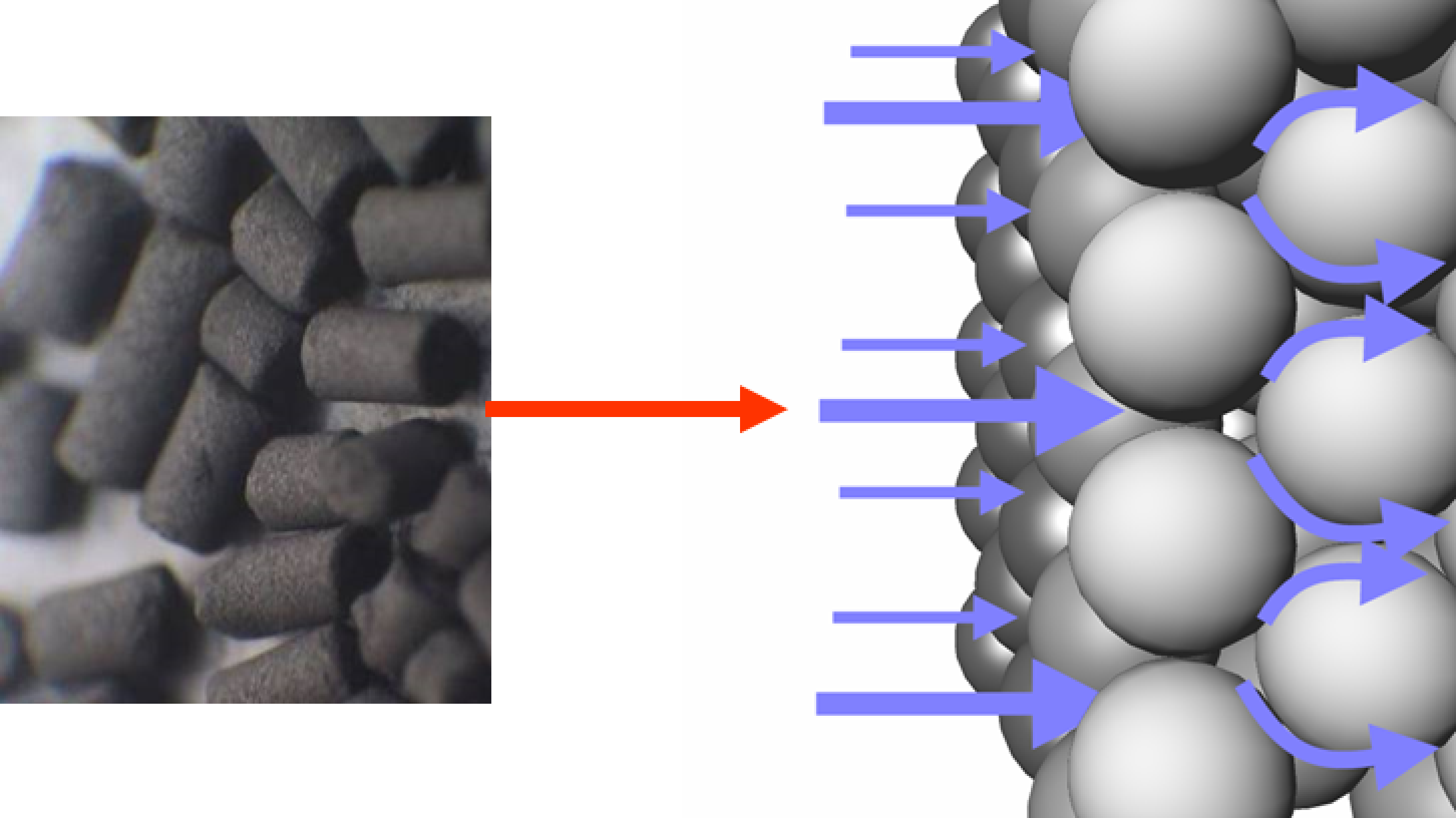
- Increased interconnectivity by uniform particle size
- Even under strong compression, gaps between spheres are maintained
→ Enables internal use of the pellet
Strategy 2-2: Reduced Intraparticle Diffusion with Smaller Particles
Diffusion within particles is slow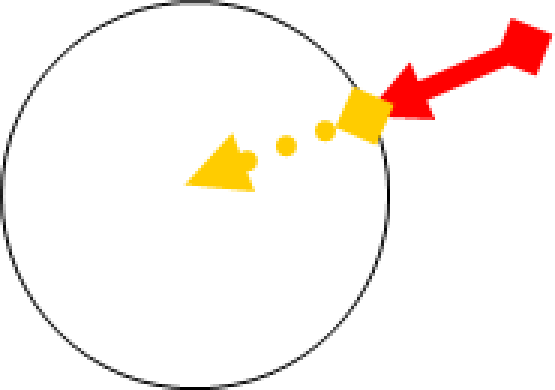
Smaller spheres have larger external surface area and shorter diffusion distance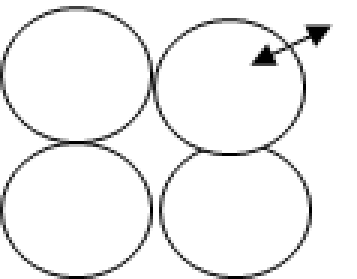
- Diffusion within particles is slow
- Smaller spheres have larger external surface area and shorter diffusion distance
→ All pores can be used quickly and effectively
Development of BELPEARL Satisfying MG4 Design Concept

- Newly developed
- Uniform particle size and miniaturization
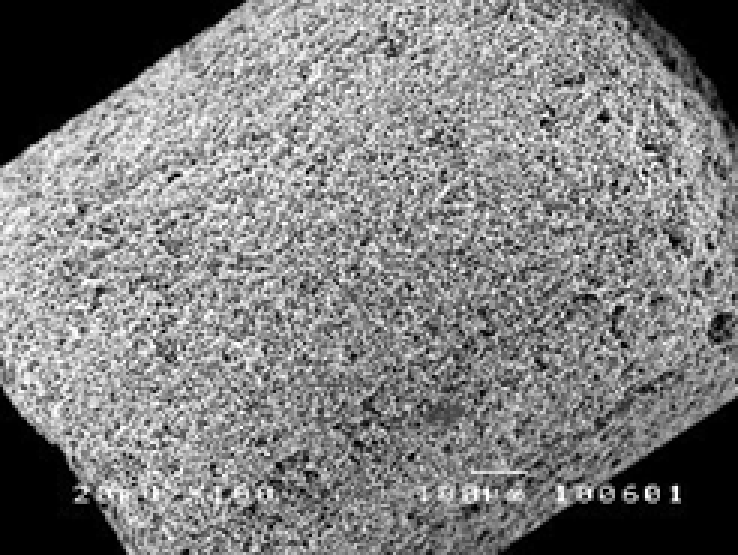 X100
X100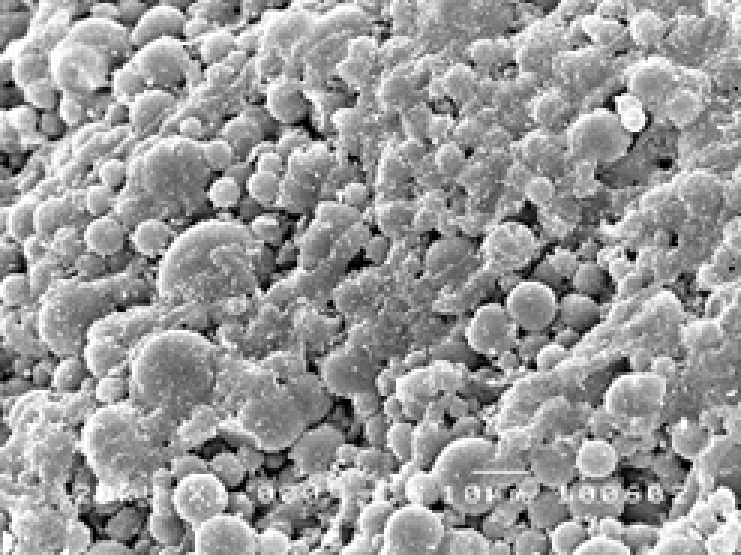 X3500
X3500
MG4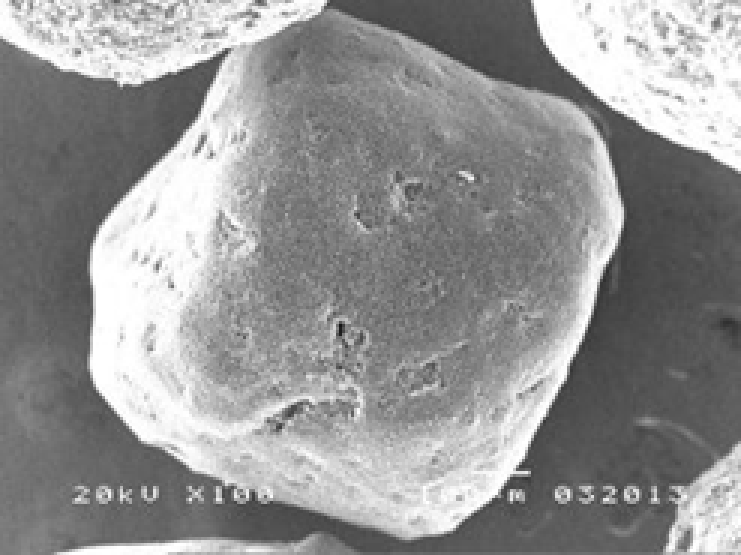 X100
X100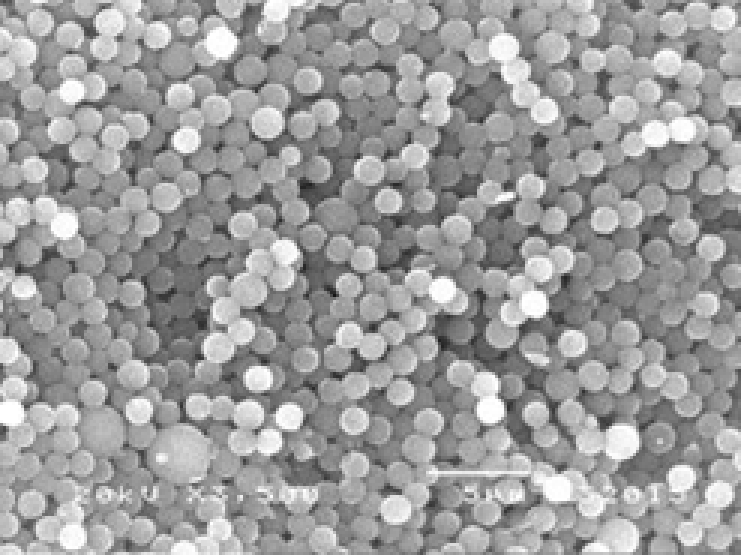 X3500
X3500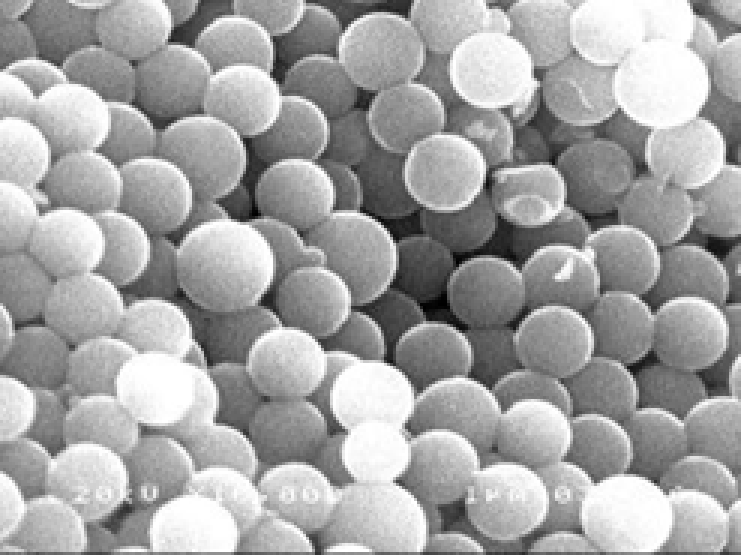 X10000
Summary: Concept of MSC Performance Enhancement (MG4 Development Philosophy)
- Strategy 1: More precise pore control
- Strategy 2: Increased volume of usable pores
- Uniform particle size for more interconnecting pores
- Smaller particle size to reduce intraparticle diffusion
- Miniaturized pellets for increased external surface area - Strategy 3: Increase MSC volume filled in tank
- Higher pellet density - Strategy 4: Confidential
→ Innovations not only in granulation and firing conditions, but also traced back to raw materials
Birth of MG4
- Development of new PSA
- Intellectual Property:
- Raw Resin: International Patent Filed and Published
- MSC: International Patent Filed and Published
Comparison of Phenolic Resin Chemical Structures
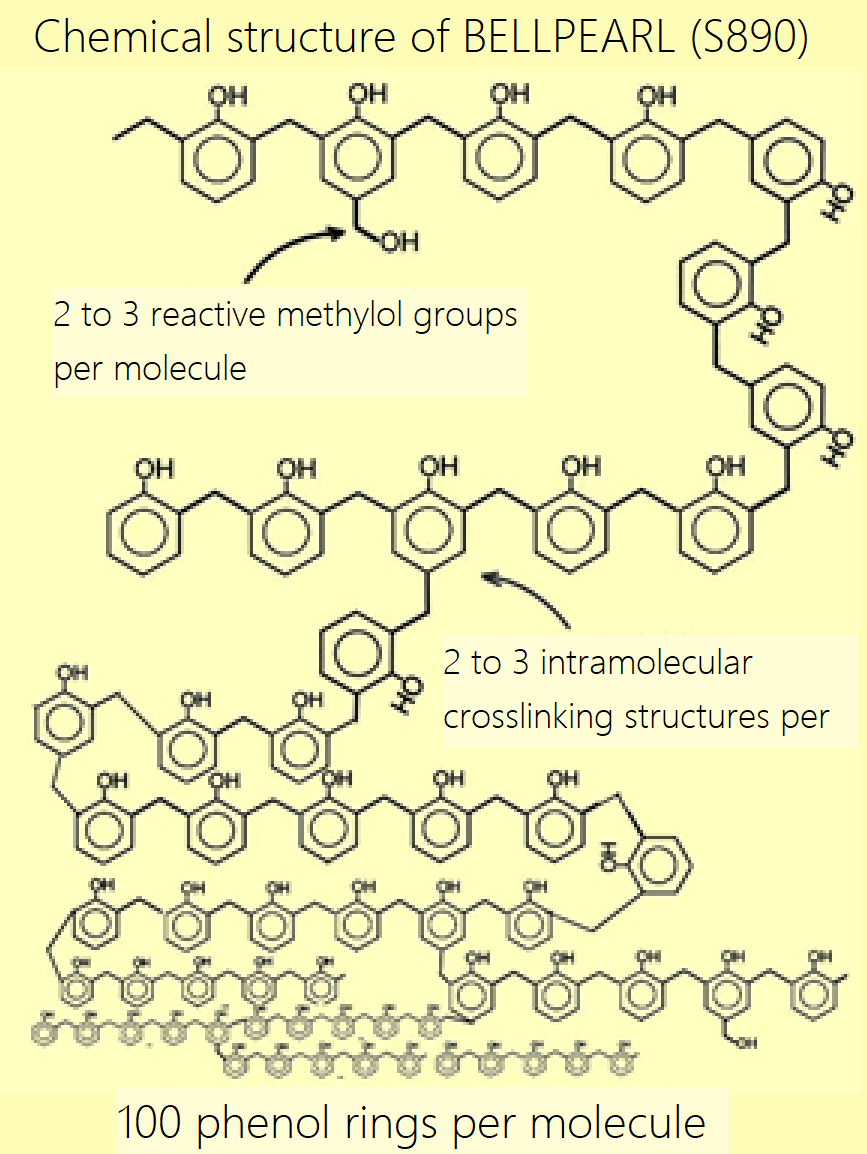
| Property | BELPEARL | Resole | Novolac |
| Phenol Groups | More than 100 | 2–5 | 4–10 |
| Methylol Groups | 2–3 | Many | None |
| Molecular Weight | Over 10,000 (Controllable polymerization degree) | 100–300 | 300–500 |
| Aging | None | Unstable | None (unstable if hardener added) |
| Shape | Micro-powder (spherical) | Solution | Crushed powder (drop type) |
| Monomer Phenol | None | 2–10% | 2–10% |
Methylol Group Concentration Stability issue
Monomer Phenol Toxicity issue